

What Works for Each Floor Type in Raleigh
The right way to clean a wood floor in Raleigh depends on what is underneath your feet. Many homes have a mix of engineered wood, solid hardwood, and laminate (“laminate hardwood”). Each has a different reaction to cleaners, water, and wear. This guide covers which methods suit each floor type and how Raleigh’s humidity, red clay, and pollen change the routine.
The quick version
| Floor or factor | What to know |
|---|---|
| Sealed hardwood and engineered floors | Do well with light damp mopping and periodic professional cleaning. |
| Laminate | Needs even less water and should never be steamed. |
| Raleigh conditions | Humidity and red clay mean you’ll likely need to sweep more often and be stricter about moisture than generic guides suggest. |
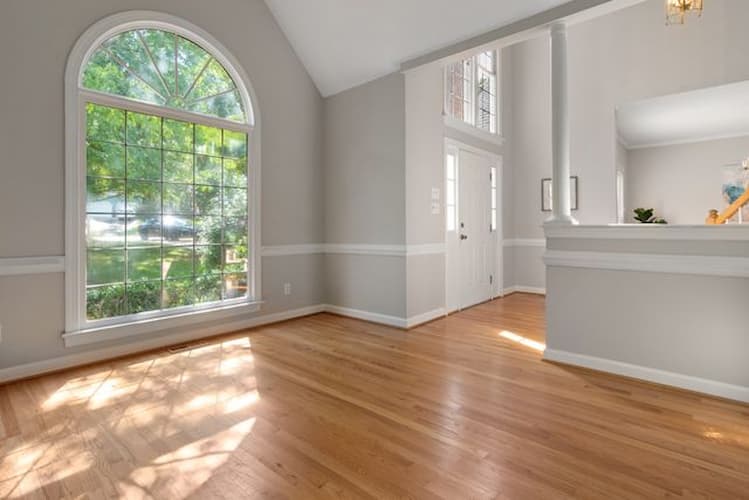
If your main concern is whether cleaning will actually fix your floors, see our detailed guide on what helps, and when cleaning isn’t sufficient. If you are comparing options, you’ll note where professional cleaning is convenient, what costs range looks like, and how to avoid common mistakes that damage finishes over time.
What does floor cleaning actually cover in Raleigh homes?
Ask a few people what floor cleaning involves and you’ll hear different answers. These are the main ones:
- Routine care – this involves sweeping, vacuuming, and an occasional damp mopping to remove dirt, dust, and light soil.
- Professional hard floor cleaning – this is a deeper clean that get rids of built-up scuffs, grime, and old cleaner residue without sanding the floor. Some services add polishing or light buffing to restore shine.
- Refining – This involves sanding off the old finish, possibly re-staining, and applying new coats of polyurethane or another sealant. This is more costlier, invasive, and normally done only when floors are heavily worn or damaged.
This article focuses on cleaning, not full refinish jobs. If your floors are dull but structurally sound, cleaning is often enough. If they’re deeply cupped, scratched, or the finish is worn through, you may require more than cleaning.
When cleaning is enough, and when it isn’t
As a rule of thumb:
- If floors look hazy or dull but have no visible scratches. The issue is usually cleaner or dirt buildup. Cleaning with a finish‑appropriate product often helps.
- If you note dull walkways with fine scratches but the finish is still intact, the top coat may be worn. A screen‑and‑recoat (light abrasion plus a new top coat) can restore shine without sanding to bare wood.
- When the wood looks bare or gray, or if there are deep dents or gouges, the finish is worn through or the wood is damaged. Repair or full refinishing is usually needed.
- If the boards are cupped or edges are raised, the root cause is moisture. Fix the moisture source before any sanding, recoating, or deep cleaning.
- When the floor is waxed or heavily contaminated with old products, special preparation (wax removal, adhesion testing) is needed before any new finish.
This is general guidance. A flooring professional can confirm the floor type and finish in person. For each scenario in more detail, see the full guide on what helps and when cleaning isn’t enough.
Hardwood, engineered wood, and laminate: what’s the difference?
Raleigh homes commonly have three types of “hardwood-look” flooring:
At a glance
| Factor | Solid hardwood | Engineered wood | Laminate |
|---|---|---|---|
| Construction | Single piece of wood | Real wood veneer over plywood or HDF core | Photographic layer and wear layer over composite core |
| Can it be refinished? | Yes, multiple times | Usually once or twice, depending on veneer thickness | No |
| Moisture sensitivity | Sensitive; prolonged wetness can cause cupping or gapping | More stable in humidity, but vulnerable to standing water | Very sensitive; can swell, warp, or show edge damage |
| Damp mopping | Light damp mop with a pH‑neutral cleaner | Lighter and less frequent than solid hardwood | Minimal water with a laminate‑safe cleaner |
| Steam mops | Not recommended | Not recommended | Never |
Knowing which type you have informs you how much water is safe, which cleaners to use, and whether refinishing is even an option.
How to tell what finish your floor has
Before choosing a cleaner, check the finish. Two floors of the same wood can need different care. Most modern hardwood floors have a surface finish like polyurethane that sits on top of the wood. Older floors may have penetrating Hard-wax oils, oils, or a wax buildup from years of care.
Two simple checks can help you spot wax. Lightly rub a small hidden area with screening pad or a fine sandpaper; if the residue balls up, it’s likely a wax-based product. Or, put two drops of water on the floor in an inconspicuous spot, such as inside a closet. If white spots appear after about 10 minutes, the finish is likely wax. If still you’re not sure, check the manufacturer’s or installer’s paperwork.
Find out the finish before anyone quotes cleaning, buffing, or recoating. Wax and some “rejuvenator” products can interfere with adhesion if the floor is ever refinished.
Common hardwood floor cleaning methods used in Raleigh
Most professional hard floor cleaning in Raleigh falls into a few broad approaches:
Low-moisture deep cleaning
- It uses specialized methods or machines that agitate and lift soil with minimal water.
- It is appropriate for homes with red clay, heavy traffic, or built-up grime.
- It is a better option for engineered wood and laminate where excess moisture is a concern.
Damp mopping with pH‑neutral cleaners
- It is used for routine and some professional cleaning.
- Relies on minimal moisture and quick drying.
- It is safe for most sealed hardwood, laminate, and engineered when done correctly.
Steam mops (use with caution)
- Most popular for tile but risky for laminate and hardwood.
- Moisture plus heat can force water into seams and damage finishes or cores over time.
- Many flooring manufacturers caution against steam on wood‑look floors, especially in humid climates like Raleigh’s.
Buffing or polishing as an add‑on
- Not a cleaning method by itself, but it is often paired with deep cleaning.
- It can restore shine and reduce the look at light scuffs.
- Works best on floors with intact finishes.
- It won’t fix deep scratches or worn‑through areas.
Which cleaning method fits your situation?
| Your situation | Best approach | Water level | Steam? |
|---|---|---|---|
| Solid hardwood, good finish, moderate traffic | Damp mopping plus occasional professional cleaning | Minimal | No |
| Engineered wood near doors or kitchens | Low‑moisture cleaning | Very low | No |
| Laminate, or swelling at the seams | Laminate‑safe cleaner, minimal water | Minimal | Never |
| Dull floors despite regular mopping | Professional deep clean before considering refinishing | Low | No |
| Finish looks intact but shine is fading | Deep clean with optional buffing or polishing | Low | No |
Which method is best narrows down to your floor type and its condition. Downtime matters too, since deeper cleans take longer to dry.
Hardwood floor cleaning cost in Raleigh, NC
Cost is one of the main reasons people search for “hardwood floor cleaning cost in Raleigh, NC” or “laminate hardwood floor cleaning cost in Raleigh, NC.” Prices vary based on several factors:
What affects hardwood floor cleaning cost in Raleigh
| Cost factor | What it means |
|---|---|
| Floor type | Solid hardwood, engineered wood, and laminate may be priced differently |
| Size | Quoted per room or per square foot; stairs, landings, and closets may be extra |
| Floor condition | Heavy buildup, scuffs, old wax or polish layers, pet accidents, or water damage add time |
| Furniture and access | Furniture moving, tight spaces, multiple levels, and limited parking |
| Add‑ons | Polishing, buffing, spot treatments, deodorizing, or stain removal |
Professional hardwood cleaning is often quoted per square foot, per room, and the number can change quickly with condition and floor type.
Online estimates for hardwood floor cleaning in Raleigh are useful as a ballpark, but they’re rarely final. Accurate quotes usually require:
- Confirmation of floor type (engineered vs hardwood vs laminate).
- Photos or quick video walk-through.
- Notes on stairs, furniture, and any known issues ( stains, scuffs, swelling).
Online prices are ballparks. Get at least two written quotes before you book.
How often should you clean hardwood floors in Raleigh?
Your home matters as much as your floor type when setting a cleaning schedule. In Raleigh, a few local factors matter:
Humidity and seasons
- Humid summers can make dirt feel sticky on floors. For a detailed guide of how cleaning and ventilation changes in summer see our guide on Raleigh NC summer: How to deal with humidity.
- Drier winters can increase dust and static, pulling more debris onto surfaces.
Red clay and tracked‑in soil
Homes near construction sites or unpaved areas usually spot more grit, which scratches finished if not swept regularly.
Pollen Seasons
Spring and early summer pollen can coat floors and require more frequent sweeping or vacuuming.
Pets and Kids
Spills, laws, and high traffic areas increase cleaning frequency.
A common baseline for many Raleigh homes:
How often to clean hardwood floors in Raleigh
| Task | Typical frequency | Raleigh notes |
|---|---|---|
| Sweep or vacuum | 2–3 times per week in high‑traffic areas | More often during pollen season and near entryways with red clay |
| Damp mop | Every 1–2 weeks | Lighter and less frequent on engineered wood and laminate |
| Professional cleaning | Every 12–24 months | More often for pet households and high‑traffic homes |
Laminate and engineered floors usually tolerate less moisture, so damp mopping should be lighter and less frequent than on solid hardwood.
Basic care between professional cleanings
Between professional cleanings, simple habits extend the life of the finish:
- Start with dry cleaning: sweep, dust mop, or vacuum on the bare‑floor setting to remove grit before it scratches.
- When you mop, keep it damp, not wet. Standing water can damage the wood or dull the finish.
- Use a cleaner purposed for your floor’s finish. Avoid oil soaps, vinegar, and mass-market restorers or rejuvenators.
- Avoid application of wax to a floor that wasn’t originally waxed; it can cause problems later if the floor needs recoating or refinishing.
In the Triangle, red clay and pollen season mean you’ll likely need to dry-clean more often especially near windows and entryways.
For NWFA‑based dos and don’ts on routine care, see Hardwood Floors in Raleigh: What Cleaning Can (and Can’t) Fix.
DIY hardwood floor cleaning vs professional cleaning
Most homeowners start with DIY cleaning and only call a pro when floors look stained or dull despite regular mopping. The difference usually comes down to equipment, moisture control, and product choice.
Common DIY mistakes
- Leaving puddles or using too much water especially on laminate and engineered wood.
- Using oil soaps, vinegar, or generic all-purpose cleaners that leave film or degrade modern finishes over time.
- Mopping without sweeping or vacuuming first, so grit scratches the floor under the mop.
- Using steam mops on wood‑look floors, which can force moisture into seams.
- Reusing dirty mop pads or rinse water, which spreads grime instead of removing it.
What professional cleaning does differently
- Uses cleaners designed for specific floor types and finishes.
- Controls moisture carefully, using low-moisture methods and fast-drying techniques.
- Agitates soil with appropriate pads or brushes instead of relying on water alone.
- Addresses build-up polish, wax, or cleaner residue that routine mopping can’t remove.
Signs you probably need professional hard floor cleaning
- Floors look dull or hazy even after mopping.
- You’re preparing for a move‑out inspection.
- Visible scuff marks that don’t come up with normal cleaning.
- Heavy traffic zones near entryways that always look dirty.
- Sticky spots or areas that feel “filmy” underfoot.
DIY is fine for light maintenance. Professional cleaning makes sense when:
- Floors look dull no matter how often you mop.
- There’s heavy traffic, pet activity, or visible scuffing.
- You’re preparing for a move‑out or special event and want a deeper clean without refinishing.
If you’re handling day‑to‑day care yourself, this short video walks through the basics of hardwood floor maintenance.
Hardwood floors in rentals and move-out cleaning
Hard floors are common in Raleigh rentals, from older bungalows to newer townhomes. Often, they are marketed as easier to clean than carpet,” but they still require specific care at move-out.
What landlords and property managers expect
- No standing water damage, swollen laminate, or warped planks.
- Floors swept and mopped, with no visible dirt, sticky spots, or heavy scuffs.
- In some cases, a professional cleaning receipt, especially if the lease mentions “professional cleaning” for floors.
How hard floor cleaning differs from carpet in move-out
- No deep extraction, the focus is on surface soil, scuffs, and cleaner residue.
- Documentation is critical: photos at move-in and move-out can protect your deposit if there’s disagreement over what was pre-existing.
- For renters, hard floors can be both an advantage and a risk: they show dirt easily, but they also show cleaning results clearly.
For a full move-out guide, see our move-out checklist in Raleigh, NC.
How to choose a top-rated hardwood floor cleaner in Raleigh
Searches like “best hardwood floor cleaning in Raleigh, NC” and “top rated hardwood floor cleaning in Raleigh, NC” usually lead to directories. A more useful approach is to know what “top rated” should mean in practice.
Look for
- Experience with engineered, hardwood, and laminate specifically, not just tile and carpet.
- Reviews mentioning hard floor results not just general cleaning.
- Insurance and, if applicable, certifications related to hard surface cleaning.
- Clear explanations of how they control moisture, what cleaners they use on different floor types, and whether they test in an inconspicuous area first.
Questions to ask
- Do you move furniture, or do I need to clear floors myself?
- What’s your typical drying time for hardwood/laminate in Raleigh’s humidity?
- Do you offer any re-clean or satisfaction policy if spots are missed?
- Can you provide a written quote that specifies floor type and scope?
When you call, you can say:
“Hi, I’m looking for help with my floors. They’re [hardwood/engineered/laminate], roughly [X] square feet across [X] rooms, with [X] stairs. I’d like a low-moisture method that’s safe for that floor type. What process would you use, and which products would you bring?”
Red flags
-
-
- Vague pricing that changes significantly on site without explanation.
- Heavy reliance on steam for all hard floors without discussing risks.
- No willingness to explain their process or products.
-
Myth vs fact: hardwood and laminate cleaning
| Myth | Fact |
|---|---|
| “A steam mop is fine on any hard floor, since it’s only water.” | Steam pairs heat with moisture, which can work into seams and slowly wear down finishes and cores. Laminate and engineered wood are hit hardest, and many manufacturers advise against steam on wood-look floors. |
| “Homemade vinegar cleaners are better for wood than store-bought ones.” | Because vinegar is acidic, it can slowly break down a floor’s protective coating. A cleaner made for finished floors is gentler and more predictable. |
| “My floors look fine, so a professional clean would be wasted money.” | Dullness often comes from a thin film of old cleaner and from tiny surface scratches, not from visible dirt. A professional clean can strip that film without touching the finish. |
When cleaning won’t help
Cleaning alone won’t solve these problems:
-
-
- Finish worn through to bare wood.
- Boards that are cupping or otherwise show active moisture issues.
- Deep gouges or damaged sections that need repair.
- Engineered wood with a wear layer too thin to sand.
- Floors that are waxed or heavily contaminated and need preparation before any new finish.
-
If any of these describe your floor, cleaning may improve appearance slightly, but it won’t fix the underlying issue. The full guide covers each scenario and what to do next.
FAQS
Is laminate hardwood floor cleaning cheaper than solid hardwood?
Not always. Laminate may be simpler to clean in some homes, but heavy scuffs, built-up cleaner residue, or swelling than can increase time and cost. Each job is priced on condition, not just material.
How much does professional hardwood floor cleaning cost in Raleigh, NC?
Prices vary by size, floor type, and condition. Many providers quote per room or per square foot, with add-ons for furniture moving, polishing, and stairs.
Are online estimates reliable for hardwood floor cleaning in Raleigh, NC?
Online estimates are useful as a ballpark but rarely final. Accurate quotes usually require a quick walk through or photos to confirm floor type, furniture, and any known issues.
What’s the best hardwood floor cleaning option for homes with pets?
Homes with pets often benefit from low‑moisture deep cleaning plus careful product selection to avoid residue that attracts more dirt.
Can steam mops be used on hardwood or laminate floors?
Most flooring manufacturers advise against steam on wood‑look floors. Heat and moisture can damage finishes and cores over time, especially in humid climates like Raleigh’s.
How long does hardwood floor cleaning take to dry in Raleigh’s humidity?
Drying times depends on moisture used, method, and indoor conditions. Light damp mopping may dry within an hour. Deeper professional cleaning can take several hours, longer in humid weather.
What to remember
Too much water does more harm to wood-look floors than dirt does. Solid hardwood, engineered wood, and laminate each have different limits. Routine sweeping and light damp mopping handle day-to-day soil, while periodic professional cleaning removes built-up grime and restores shine without the cost and downtime of refinishing.
For most households, regular sweeping and light mopping, plus an occasional professional clean timed around seasons, traffic, and move-in/move-out, is enough.
If you’re unsure whether your floors need cleaning, recoat, or refinish, start with our guide Hardwood Floors in Raleigh: What Cleaning Can (and Can’t) Fix.