

Why Raleigh Humidity Is Higher In Summer
In June 2025, Raleigh hit 96°F for nine consecutive days making it one of the most intense-early summer heat wave ever experienced. Although, the heat is rarely the problem. Ask anyone who has lived through a Raleigh Summer what bothers them the most. It’s the thick air that has a pattern to it.
In the morning, the humidity runs high at around 85% before dropping to 54% in the afternoon. This shift matters than one may realize. At 9 p.m. a bathroom may feel slightly damn but genuinely smell musty in the morning because the moisture never left overnight. It just moved around and got comfortable in the grout, fabric, and closet corners.
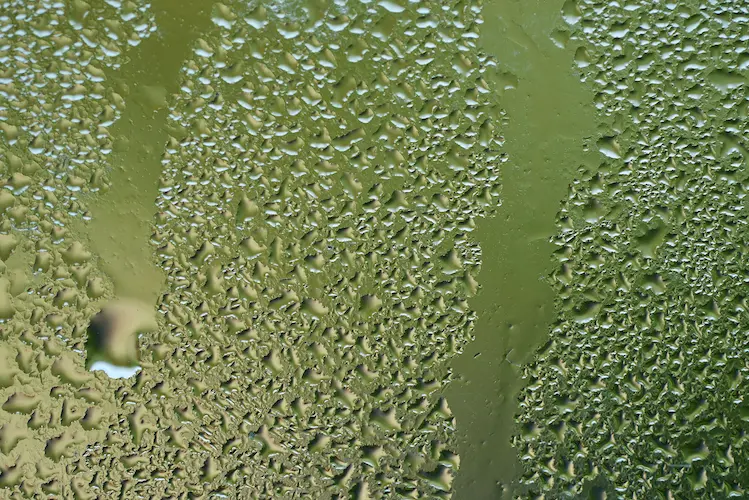
Geography explains why this is unique to Raleigh. The city sits inland in the Piedmont region, although close enough to the Atlantic and the Gulf Stream that the wind from the east drags warm, wet air in from the coast. Unlike the coast, here there is no sea breeze to cut through it. To the west that moisture is trapped by Appalachians over the Piedmont before it rises high enough to condense out as rain. Adding the summer twist on top, masses of air stall for days at a time, and the close to daily afternoon thunderstorms don’t clear humidity out so much as recycle it, therefore, dumping water that evaporates back into the same soupy air. The aftermath is musty odors, mildew, mold, dust mites, and general dampness that AC alone can’t keep up with. And it’s expensive to ignore.
The Real Cost of Ignoring Raleigh’s Humidity
| Scope of Work | Raleigh Average | Typical Range | Raleigh Neighborhoods Most at Risk |
|---|---|---|---|
| Mold remediation | $2,145 | $1,007 to $3,338 | Cameron Village, Hayes Barton, Historic Oakwood, Boylan Heights, Five Points — older homes with aging crawl spaces and outdated waterproofing |
| Full crawl space job with encapsulation | Varies | Up to $15,000 | Homes near Lake Johnson or Crabtree Creek — higher water table increases moisture exposure |
| Newer builds — clay soil risk | Not exempt | Same ranges apply | Wakefield, North Hills, Brier Creek — Piedmont clay soil retains moisture regardless of home age |
Mold remediation cost data reflects current Raleigh market averages. Actual costs vary by severity, affected area, and crawl space condition.
The table above gives a breakdown of Raleigh’s humidity costs and hotspots. On average mold remediation in Raleigh is $2145, with most owners paying between $1007 and $3338. Not to mention a whole crawl space job with encapsulation can cost up to $15,000. Some neighborhoods deal with this more than others. Older homes like Cameron Village tend to carry aging crawl spaces and outdated waterproofing. On top of that, houses near Lake Johnson or Crabtree Creek face a higher water table. Newer builds in Wakefield, North Hills, or Brier Creek aren’t automatically safe due to the clay soil underneath most of the Piedmont region doesn’t mind how old your house is.
However, none of these changes the climate. What changes is how your home holds up against it. Replace HVAC filters monthly. Keep indoor humidity between 30 and 50%, the range the EPA recommends for keeping mold from taking hold. Squeegee wet surfaces daily. Clean closets and washing machine seals once a month. Small habits, but they’re the difference between a manageable summer and a remediation bill.
Quick Facts
- It takes 24-48 hours for molds to grow on a damp surface.
- Cracking windows open in summer increases the humidity level indoors. The outdoor dew point is often higher than the air inside an air-conditioned home.
- AC as a stand-alone is not enough to control humidity. It removes it only as a byproduct of cooling.
- Unwashed gym clothes and damp towels develop musty smell within a day or two. The crawl space vents should stay closed in summer according to NC building code (section R409) and DOE research.
- One of the most overlooked humidity traps in a home is closet.
- Raleigh regularly sits above the dew point of 65°F from June through August making the air feel muggy.
Where Humidity Affects Your Home
The first places moisture tends to linger are closets, bathrooms, kitchen, and laundry rooms especially if the air circulation is limited. This may show up as damp corners, foggy windows, sticky counters, and a musty smell that still stays even after cleaning up. The smell is more noticeable in the morning following a night of high humidity and the AC cycling less due to slight drop of temperatures especially in closets and bathrooms.
After a period of time, the moisture may make your home less fresh and may end up creating more work for your frequent cleaning routine. The musty odors also develop in carpets, fabric, and upholstery that is yet to fully dry up. Allergies and asthma attacks may also be frequent due to dust mites that multiply faster in humid conditions. The good news is that having this information is the first step in staying ahead and avoid the overwhelming job of scrubbing later.
When to Clean Up
- If there is condensation on glass or windows leaving streaks.
- Damp-feeling fabrics.
- Mold and mildew in closet corners, bathroom grout, laundry rooms, basements, and window sills. These places are more vulnerable due to the combination of moisture, warmth, and materials like fabrics, drywall, or wood that are breeding grounds for molds and mildews.
- Musty smell.
Kitchen and Bathroom Cleaning Tips
These are the hot spots for humidity damage since they generate moisture and steam daily after they are used. Manage the moisture by doing the following:
- Grout and caulking: Use a vinegar solution or diluted bleach to scrub grout and caulk weekly to remove mildew before it stains.
- Under the sink: Check biweekly for damp spots or hidden leaks that are common blind spot for mold growth.
- Exhaust fans: Run the fan for 20 minutes or more after showering or cooking and also dust the vent cover once a month.
- Shower curtains, liners, and post-shower routine: After taking a shower, rinse and wipe down. Remember to remove standing water before it becomes a food source for mold by doing a quick squeegee on tile and glass.
- Create a habit of leaving the shower curtain or door open after use for a better dry up. Wash plastic liners every 30 days.
Fabric Care and Laundry Room Tips and Facts
- Damp clothes and towels that sit around longer tend to smell sooner because the humid air slows down drying time.
- Move wet laundry to a line or dryer immediately. Don’t let it to sit in the washer.
- To prevent mildew odor from setting in, wash gym clothes and towels within a day of use.
- Clean the door seal and the washing machine drum on a monthly basis to remove moisture build up responsible for mold growth.
- Occasionally clean under and behind the appliances.
- To minimize moisture while doing laundry, run full loads which will also maximize efficiency.
Storage Areas and Closet
Often overlooked, closets are more prone to humidity due to airflow limitation. For freshness do the following;
- On drier days, air out closets periodically by opening its doors for an hour.
- Use vinegar or an odor remover detergent if clothes develop a musty smell before storage.
- Compliment your regular cleaning routine by strategically placing moisture absorbing crystals like silica gel packs or DampRid on closets.
- Use a small electric closet humidifier if the closets are larger than the standard reach in for effective moisture absorbing rather than using moisture absorbers.
- Avoid packing closets too tightly and store folded fabrics with good airflow.
- Wipe or vacuum closets floors frequently particularly in ground floor rooms or humid basements.
Upholstery, Rugs, and Carpets
- During summer, regularly vacuum rugs and carpets to get rid of trapped allergens and dust mites.
- Sprinkle baking soda on rugs and carpets and let it sit for at least 15 minutes before vacuuming thoroughly to remove musty smells.
- Schedule a deeper upholstery or carpet cleaning once a month during the peak humidity season (late July to August).
- Slightly rotate or elevate the rugs to enable airflow underneath.
Walls, Windows, and Ceilings
- Once you notice condensation overnight, wipe down glass and window sills.
- To spot dark spots early on, inspect bathroom ceilings and ceiling corners every month.
- Use a mold-safe cleaner on painted dry walls and avoid harsh chemicals. While at it, check for small dark speckles near corners.
Air Filter and HVAC Maintenance
- In summer your AC does double duty of pulling the moisture out of the air and cooling the home. However, a clogged system can’t do either well.
- During the hottest summer months, check and replace air filters once a month instead of every three months, as you would in cooler seasons.
- Ensure your AC coil is professionally cleaned annually to prevent buildup that undermines the dehumidifying and cooling performance.
Basement Maintenance
- Condensation forms easily on windows, walls, and pipes in the basement since it stays several degrees cooler than the rest of the home. This means it gets less airflow hence it is humidity prone.
- Weekly check for condensation on foundation walls, pipes, and windows. Wipe them dry and look out for recurring spots.
- Mop and vacuum floors biweekly.
- Cardboard boxes absorb moisture and provide an ambient environment for the growth of mildews. Use plastic bins with lids to store items.
- Periodically run a fan if the basement is not air conditioned.
- Look out for a white, chalky residue on concrete walls or a musty smell that doesn’t clear with cleaning. Both can indicate moisture pushing through the foundation and should be assessed.
- At the start of every summer, inspect your sump pump to ensure its functioning before heavy storm season.
Crawl Space Cleaning Tips
Some homes may have Crawl Spaces instead of a basement due to Piedmont drainage patterns and shallow frost line. The following are maintenance techniques:
- Keep the vents in the crawl spaces closed rather than open. U.S. Department of Energy research shows during humid climates, the air coming through the vents from outside is more moist than the air inside the crawl space. This leads to condensation, rot, and mold rather than preventing it. The vents are closed all-year round not only in summer.
- If the crawl space is not fully encapsulated according to the North Carolina updated building code (Section R409), run a dedicated humidifier at 30-50% relative humidity.
- Check for visible dark spots on joints, a musty smell in the first rooms above, and wood floor warping upstairs.
- If entering the crawl space yourself, wear basic PPE (gloves, N95 mask) since there is airflow limitation and disturbed spores or dust lingers.
- If the crawl space has a sump pump, inspect it before the beginning of summer.
- Periodically clear debris like wood scraps, cardboard, and old insulation since molds feed on it.
- Inspect the vapor barrier for tears or gaps. It is an important layer that blocks ground moisture from evaporating upward into space.
What to Note Down as a Raleigh Resident
The humid season is not a one-time thing due to the Piedmont climate. It’s a recurring season every summer. Therefore, historic and older homes in areas like Oakwood, Five Points, and Boylan Heights can be more vulnerable to moisture because of less modern insulation, crawl spaces, and aging window seals. In the event you notice recurring damp spots, musty smells, or mold despite frequent cleaning, consider the inspection of HVAC system or crawl space for deeper moisture problems.
What Actually Fixes Humidity? Cleaning, Dehumidifier, or AC
A cleaning routine removes existing mildew, molds, and musty residue. However, it does not reduce ambient humidity, therefore, if moisture levels stay high mold may return.
Dehumidifier aids in controlling indoor humidity by pulling excess moisture. Molds that are already present can’t be removed by the dehumidifier.
Air conditioning system maintains the comfortable indoor temperature and also removes moisture while executing its role. However, it cycles less when the temperatures drop slightly so less dehumidifying occurs.
The honest take is that the three complement each other and are not substitutes of each other. A well-maintained AC and dehumidifier work to keep the required levels of humidity, but they will not remove the existing molds and mildews. Cleaning does that and prevents moisture damage. Although, a home that only invests in one and not all three tends to experience recurring musty spots.
When To Consult a Professional. Signs That Cleaning Isn’t Enough
- Discoloration, warping, or swelling in trim, wood floors, or drywall.
- Persistent asthma attacks, allergy, or respiratory symptoms that ease when you step outside your space.
- A consistent musty smell with no visible molds pointing to hidden moisture in ductwork, crawl spaces, or walls.
- Return of molds within days of cleaning indicating the source of the moisture is yet to be addressed, and you are not cleaning wrong.
- The indoor humidity is above 60% when measured with a hygrometer versus the recommended 30-50% by EPA even with a working AC.
If any of these resonated with you, it’s recommended to have your crawl space or HVAC system assessed instead of solely relying on cleaning.
Summarized Cleaning Checklist
Weekly
- Check under sinks for dampness.
- Vacuum rugs and carpets.
- Wipe kitchen and bathroom surfaces.
- Squeegee shower tile and/or glass.
Monthly
- Look out for early mold spots in the ceiling corners.
- Replace HVAC air filer.
- Clean the washing machine seal and drum.
- Dust exhaust fan covers.
- Check out for musty smells while airing out closets.
Seasonally
- If need be, reapply mold-resistant caulking.
- Deep clean upholstery and carpets.
- Get the AC coil professionally cleaned.
FAQS (Frequently Asked Questions)
What Is The Average Humidity In Raleigh, Nc?
The annual average humidity is about 71% although it depends on time of day. In the morning the average is 85% and, in the afternoon, it drops to 54%. From June through August, dew points climb into the sixties and sometimes 70s°F making summer feel the most humid season of the year.
How Hot Does Raleigh Get In The Summer?
Often people search for the hottest month in Raleigh. The Triangle area experiences a stretch of extreme heat especially in July averaging around 89–90°F.
Is Raleigh, Nc Very Humid?
Yes. Raleigh is located in the Piedmont region that has a humid subtropical climate with summers consistently described as hot and muggy and prone to afternoon thunderstorms. Though hot, summer is the rainiest season in Raleigh.
What’s The Ideal Indoor Humidity Level For a Raleigh Home In Summer?
The Environmental Protection Agency (EPA) recommends relative humidity of 30 to 50% to discourage mold growth. Having a thermostat or hygrometer is the easiest way to check it yourself.
Does Running My Ac Also Remove Humidity, Or Do I Need a Separate Dehumidifier?
To some extent yes, an AC only regulates humidity as a byproduct of cooling while removing some moisture. However, during summer, the AC may not run long enough to lower the indoor humidity. For this reason, your space may still feel damp even if the AC is on. A dehumidifier is able to maintain the humidity level on those in- between days.
Final Thoughts
The summers in Raleigh may be humid; however, a mold-prone space doesn’t have to be part of the package. With regular cleaning routine while paying attention to fabrics, kitchen, bathrooms, and HVAC system, you can maintain a fresh home despite what the dew point says outside.