

Deep Cleaning vs Regular Cleaning House: What’s Included, When You Need Each, and How to Choose
Your house can look clean and still need a deep clean. That’s not a knock on your habits but just how cleaning works. Regular cleaning keeps your home tidy and presentable week to week. But over time, grime builds up in places your weekly wipe-down never touches: behind the toilet base, inside the oven, along window tracks, under the couch. That’s where deep cleaning comes in.
The two services aren’t interchangeable, and booking the wrong one is a common and frustrating mistake. You either pay too much for a reset you didn’t need, or you book a standard clean expecting a transformation and end up disappointed.
This guide breaks down exactly what each service covers, what it costs, how long it takes, and — most importantly — how to decide which one your home actually needs right now.
Quick Comparison: Deep Cleaning vs Regular Cleaning
| Regular Cleaning | Deep Cleaning | |
|---|---|---|
| Scope | Surface-level maintenance | Detailed top-to-bottom reset |
| Key Tasks | Dusting, vacuuming, mopping, wiping counters, basic bathroom cleaning | Everything in regular cleaning, plus baseboards, grout, inside appliances, window tracks, under furniture |
| Time Needed | 1–3 hours (avg. home) | 3–8 hours (avg. home) |
| Frequency | Weekly, biweekly, or monthly | Once or twice a year, or as a first-time clean |
| Best For | Maintaining a home that’s already clean | Resetting a neglected space or preparing for a move |
| Avg. Cost | $100–$200 per visit | $200–$600 per visit |
| Notice Required | Minimal prep needed | May require clearing clutter beforehand |
What Regular Cleaning Is
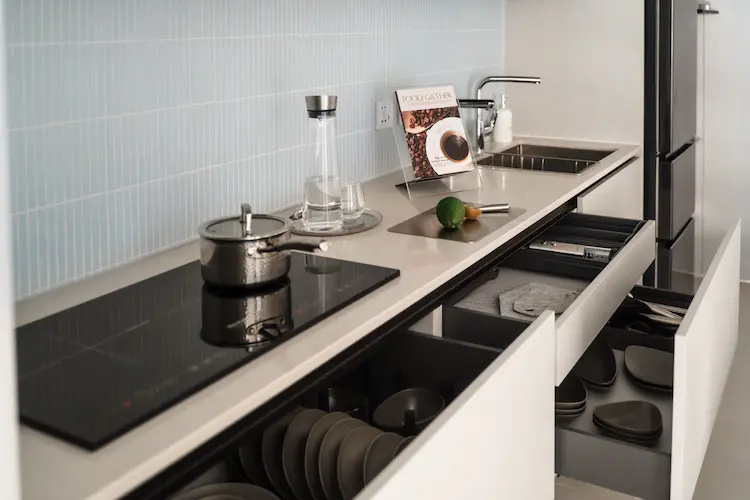
Regular cleaning is routine maintenance. Its job is to keep your home hygienic, presentable, and functional between deeper cleans but will not tackle the buildup that’s been collecting for months.
A standard cleaning visit typically covers:
- Dusting surfaces, shelves, and ceiling fans
- Vacuuming floors, rugs, and sometimes upholstery
- Mopping hard floors
- Wiping down countertops, stovetop surfaces, and cabinet fronts
- Cleaning bathrooms – toilets, sinks, mirrors, and tub/shower surfaces
- Emptying trash and replacing bags
- Quick kitchen cleanup – exterior of appliances, sink scrubbing
What it doesn’t do: move furniture, scrub grout, clean inside the oven or fridge, or address baseboards and window tracks. Those are deep cleaning tasks.
Regular cleaning works best when it’s scheduled consistently, either weekly or biweekly for most households. The more consistent the schedule, the easier (and faster) each visit becomes. Skip a few months, and you’re no longer in “maintenance” territory. At that point, a standard clean won’t cut it.
What Deep Cleaning Is
Deep cleaning is a detailed, top-to-bottom reset of your home. It covers everything in a regular clean, then goes further – into the areas that routine maintenance skips entirely.
A thorough deep clean typically includes:
Kitchen
- Inside the oven (grease, baked-on residue)
- Inside the refrigerator (shelves, drawers, door seals)
- Behind and underneath appliances
- Cabinet interiors and the tops of cabinets
- Exhaust fan and range hood cleaning
Bathrooms
- Grout scrubbing (tile floors and walls)
- Inside and behind the toilet base
- Showerhead descaling
- Detailed cleaning around fixtures and drains
Throughout the Home
- Baseboards – wiped down or scrubbed
- Window tracks and sills
- Door frames, light switches, and outlet covers
- Under furniture (moved, not just vacuumed around)
- Blinds and ceiling fan blades
- Interior windows (in many packages)
- Walls spot-cleaned for scuffs and marks
The difference isn’t just more tasks — it’s a different level of attention. Where regular cleaning maintains hygiene at eye level, deep cleaning addresses what’s been accumulating out of sight.
If you’ve never had your home professionally cleaned before, or if it’s been more than a few months since a thorough clean, a deep clean is almost always the right starting point. You can’t maintain a home that hasn’t been reset first.
Side-by-Side Differences (Scope, Frequency, Cost, and Time)
Scope: How Much Gets Cleaned
The clearest way to think about scope: regular cleaning works horizontally (the surfaces you see every day), while deep cleaning works vertically – into corners, behind objects, and inside fixtures.
Regular cleaning hits the same surfaces every visit. Deep cleaning maps the entire room, including everything at floor level, above cabinets, and inside appliances.
Frequency: How Often You Actually Need Each
Regular cleaning works best on a consistent schedule:
- Weekly – High-traffic homes, households with kids or pets, allergy sufferers
- Biweekly – The most common choice for average households
- Monthly – Works for smaller homes or people who maintain cleanliness between visits
Deep cleaning frequency depends on your home’s baseline:
- Once a year – Minimum for homes on a regular cleaning schedule
- Twice a year – Recommended for most households (spring and fall)
- Before/after events – Moving in or out, post-renovation, after hosting extended guests
- First-time clean – Always start with a deep clean before moving to regular maintenance
A useful rule: if you’ve skipped your regular cleaning for two months or more, treat the next visit as a deep clean, not a standard one.
Cost: What to Expect to Pay
Prices vary by location, home size, and service provider, but here’s a realistic range:
| Service | Small Home (under 1,000 sq ft) | Medium Home (1,000–2,000 sq ft) | Large Home (2,000+ sq ft) |
|---|---|---|---|
| Regular Cleaning | $80–$120 | $120–$200 | $200–$300+ |
| Deep Cleaning | $150–$250 | $250–$400 | $400–$600+ |
Deep cleaning costs more for two reasons: it takes significantly longer, and it requires more labor-intensive work. Some companies charge by the hour for deep cleans rather than a flat rate, which is worth clarifying before booking.
If you’re on a recurring cleaning plan, many services offer a discounted first deep clean as an onboarding offer which is worth asking about. Use our BriefandClear tool Raleigh House Cleaning Cost Calculator to reliably estimate a cleaning quote for your home.
Time: How Long Each Service Takes
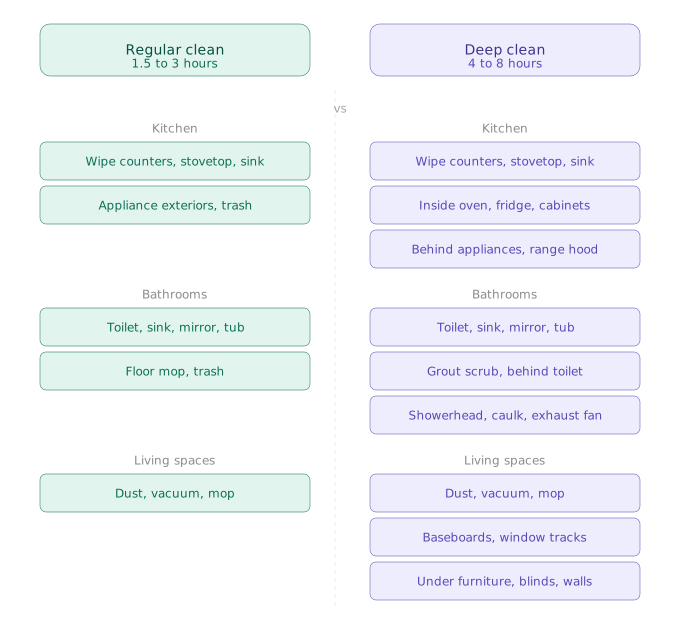
Regular cleaning for an average 3-bedroom home typically runs 1.5 to 3 hours, depending on the current state of the home and the number of cleaners.
Deep cleaning the same home can take 4 to 8 hours, and in some cases, a cleaning crew will spread it across two visits for larger properties.
Factors that affect time:
- Number of bathrooms
- Whether inside appliances are included
- Clutter level (cleaners clean, not organize)
- How long since the last thorough clean
Room-by-Room Cleaning Checklist
Use this as your reference point when booking a service or evaluating what a cleaner covers. Tasks marked with ★ are typically deep cleaning only.
Kitchen Cleaning Checklist
Regular Cleaning
- Wipe countertops and backsplash
- Clean stovetop surface
- Wipe exterior of appliances (fridge, microwave, dishwasher)
- Scrub sink and faucet
- Mop floor
- Empty trash and replace liner
- Wipe cabinet fronts
Deep Cleaning (additional tasks)
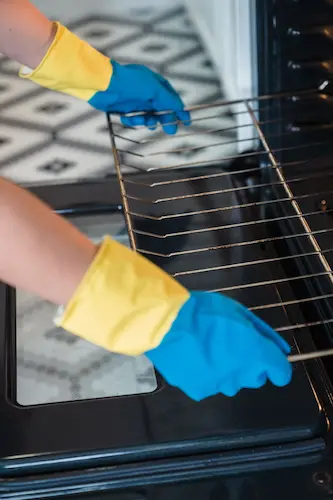
- ★ Clean inside the oven, including racks and door glass
- ★ Clean inside the refrigerator (shelves, drawers, door seals)
- ★ Degrease range hood and exhaust fan
- ★ Wipe inside cabinets and pantry shelves
- ★ Clean tops of cabinets and refrigerator
- ★ Pull out appliances and clean behind and underneath
- ★ Descale and detail the sink drain area
Bathroom Cleaning Checklist
Regular Cleaning
- Scrub toilet (bowl, seat, lid, exterior)
- Clean sink and faucet
- Wipe mirror and light fixtures
- Wipe shower or tub surfaces
- Mop or wipe floor
- Empty trash
Deep Cleaning (additional tasks)
- ★ Scrub grout on tile walls and floors
- ★ Clean around and behind the toilet base
- ★ Descale showerhead
- ★ Detail around drains and drain covers
- ★ Wipe inside medicine cabinet
- ★ Clean exhaust fan cover
- ★ Scrub caulking around tub and shower
Bedroom Cleaning Checklist
Regular Cleaning
- Dust surfaces, nightstands, dressers
- Vacuum floors and rugs
- Change or straighten bedding (if included)
- Empty trash
- Wipe ceiling fan blades (basic)
Deep Cleaning (additional tasks)
- ★ Vacuum and flip or rotate mattress
- ★ Dust and wipe down ceiling fan blades thoroughly
- ★ Wipe baseboards
- ★ Clean window tracks and sills
- ★ Dust and wipe blinds or shutters
- ★ Vacuum under the bed (furniture moved, not worked around)
- ★ Wipe light switches, outlet covers, and door frames
Living Areas Cleaning Checklist
Regular Cleaning
- Dust shelves, furniture surfaces, and décor
- Vacuum floors, rugs, and upholstery
- Mop hard floors
- Wipe coffee table and side tables
- Empty trash
Deep Cleaning (additional tasks)
- ★ Move furniture and vacuum or clean underneath
- ★ Clean baseboards throughout
- ★ Wipe window tracks, sills, and frames
- ★ Dust ceiling corners and remove cobwebs
- ★ Wipe blinds, shutters, or clean curtain rods
- ★ Spot clean walls for scuffs and marks
- ★ Detail light switches, outlets, and door frames
Best for regular cleaning: Homes already on a maintenance schedule that need a reliable, consistent refresh.
Best for deep cleaning: Any space that hasn’t been thoroughly cleaned in months, is being turned over, or needs a room-by-room reset before moving to routine upkeep.
Which One Do You Actually Need?
This is the question most people are really asking, so here it is answered directly by situation.
You need a deep clean if:
Moving into a new home Even if the previous owners cleaned before leaving, a deep clean before you unpack is the right call. You want to know the oven is clean, the grout is scrubbed, and the cabinet interiors are wiped out before your things go in. This is one of the clearest use cases for deep cleaning.
Moving out of a home Most leases expect the property returned in clean condition. A deep clean before handover protects your deposit and avoids disputes over “cleaning fees” that landlords charge after the fact.
It’s been more than two months since a thorough clean At that point, buildup has accumulated in places a regular clean won’t touch. Booking a standard clean at this stage often results in cleaners spending most of their time on surface grime instead of maintenance, which means you’re paying for something that falls short. Start with a deep clean, then move to a regular schedule.
First-time professional clean If you’ve never had your home professionally cleaned before, a deep clean is the appropriate starting point. Think of it as establishing the baseline that regular cleaning maintains going forward.
Seasonal reset (spring or fall) Twice-a-year deep cleans are a practical cadence for most households. Spring cleaning to clear winter buildup. Fall cleaning to prep the home before it gets closed up for colder months.
Before or after hosting guests A deep clean before a major gathering gets the home into its best condition. After extended guests, especially over holidays, a deep clean resets the home faster and more thoroughly than a standard visit.
Allergies or pet households Pet dander and dust accumulate in places regular cleaning misses: under furniture, inside vents, along baseboards, on ceiling fan blades. A periodic deep clean is especially valuable here, and many allergy sufferers schedule them quarterly rather than twice a year.
Post-renovation cleanup Construction dust is fine and pervasive. It settles into every crack, vent, and surface. A post-renovation deep clean is not optional if you actually want the space livable after work is done.
You need regular cleaning if:
Your home is already in good shape and you want to maintain it Regular cleaning works as maintenance, not restoration. If your home was recently deep cleaned or is consistently well-maintained, a recurring standard cleaning schedule keeps it that way efficiently.
You want consistent upkeep on a schedule Biweekly or monthly regular cleaning visits keep the home hygienic without the time and cost of repeated deep cleans. This is the most practical setup for most households once the baseline has been established.
You clean your own home between visits If you’re doing light tidying and wiping between professional visits, a standard cleaning is likely all you need from a service provider.
A simple way to decide:
| Your Situation | What to Book |
|---|---|
| First professional clean | Deep clean |
| Recurring maintenance | Regular cleaning |
| Moving in or out | Deep clean |
| More than 2 months since last clean | Deep clean |
| Post-party or after guests | Deep clean (or thorough regular) |
| Weekly or biweekly upkeep | Regular cleaning |
| Allergies or heavy pet presence | Deep clean quarterly |
| Seasonal refresh | Deep clean twice a year |
Cost and Timing Explained
Prices below are estimates. Actual costs vary by city, home size, number of bathrooms, and the specific company you hire. Use these figures as a planning baseline, not a quote.
Why Deep Cleaning Costs More
It isn’t just that deep cleaning takes longer, though it does. The reason the price is higher comes down to three things:
Labor intensity. Scrubbing grout, degreasing an oven, and cleaning behind appliances requires significantly more physical effort per square foot than routine maintenance. Cleaners spend more time on each room and use more specialized products.
Time on site. A regular clean for a 3-bedroom home typically runs 1.5 to 3 hours. The same home deep cleaned runs 4 to 8 hours, and for larger properties, some companies split it across two visits.
Consumables. Deep cleaning uses more product. Degreasers, descalers, grout cleaners, and heavy-duty disinfectants add to the cost in a way that standard cleaning supplies don’t.
Realistic Cost Ranges
| Home Size | Regular Cleaning | Deep Cleaning |
|---|---|---|
| Studio or 1-bed | $75 to $120 | $150 to $250 |
| 2 to 3 bedrooms | $120 to $200 | $250 to $400 |
| 4+ bedrooms | $200 to $300+ | $400 to $600+ |
These are national averages. Costs in major metro areas like New York, San Francisco, or Boston run noticeably higher. Smaller cities and suburban markets are typically on the lower end.
How Recurring Plans Affect Pricing
Most cleaning companies charge less per visit when you commit to a recurring schedule. The logic is straightforward: a home on a biweekly plan is easier and faster to maintain than one that only gets cleaned occasionally. Less buildup means less labor.
Here’s what that typically looks like:
- One-time regular clean: Full price
- Monthly plan: 10 to 15 percent discount per visit
- Biweekly plan: 15 to 20 percent discount per visit
- Weekly plan: 20 to 25 percent discount per visit
If you’re debating between a one-time deep clean and setting up a recurring plan, it’s worth asking the company whether they offer a discounted first deep clean as an onboarding visit. Many do, and it’s a practical way to establish a clean baseline before committing to ongoing service.
When to Book Around Your Calendar
A few timing notes that are worth building into your planning:
Book deep cleans at least a week in advance. Most reputable cleaning companies get busy, especially in spring and before the holidays. Same-week deep clean availability is rare.
Schedule regular cleaning on a fixed day and time. Consistency makes it easier for you and for the cleaners who learn your home.
Don’t skip prep work before a deep clean. Cleaners clean; they don’t organize. If countertops are covered in stuff, they clean around it. Clearing clutter before a deep clean lets the team focus on what you’re actually paying for.

Frequently Asked Questions
How often should you deep clean a house?
For most households, twice a year is the practical minimum. Spring and fall are the most common timing choices. If you have pets, allergies, or young children, quarterly deep cleans make more sense. If you’re on a consistent biweekly regular cleaning schedule, once a year is often enough because the home isn’t accumulating as much buildup between visits.
What is included in a deep clean?
A deep clean covers everything in a standard cleaning visit, plus the areas routine maintenance skips. That typically includes inside the oven, inside the refrigerator, baseboards, window tracks and sills, grout scrubbing, ceiling fan blades, behind and under appliances and furniture, and detailed bathroom cleaning including behind the toilet base and around fixtures. Coverage varies by company, so confirm what’s included before booking.
Is deep cleaning worth the extra cost?
Yes, under the right circumstances. If your home hasn’t been thoroughly cleaned in months, if you’re moving in or out, or if you’re starting a professional cleaning service for the first time, deep cleaning is the right starting point. Booking a regular clean when your home actually needs a reset means you’ll pay for a service that can’t fully deliver. The extra cost of a deep clean is worth it when the situation calls for it.
Can I start with regular cleaning instead of a deep clean?
Technically yes, but it often leads to disappointment. Regular cleaning is designed for maintenance, not restoration. If there’s significant buildup in your home, a standard cleaning visit won’t address it. Most cleaning professionals recommend starting with a deep clean and then transitioning to regular maintenance visits. That sequence works better than trying to maintain a home that hasn’t been reset.
Does deep cleaning include inside appliances and baseboards?
It should, and typically does, but this varies by company. Inside the oven and inside the refrigerator are standard inclusions for most deep clean packages. Baseboards are almost universally included. Some companies treat inside appliances as add-ons and charge separately, particularly for the refrigerator. Always confirm the scope in writing before booking so there are no surprises.
Do cleaners move furniture during a deep clean?
Yes, moving furniture is a standard part of most deep cleaning services. The goal is to vacuum and clean underneath sofas, beds, and other pieces that regular cleaning works around. Heavy or fragile furniture (large sectionals, antiques, large wardrobes) may not be moved depending on company policy. Ask specifically about furniture when booking if that’s a priority.
What is the difference between deep cleaning and regular cleaning?
The difference comes down to scope and intent. Regular cleaning is routine maintenance: the same surfaces, cleaned consistently, on a schedule. Deep cleaning is a thorough reset that covers every area, including the ones that collect buildup over time. You need both, but for different reasons and at different intervals.
Can regular cleaning turn into a deep clean?
Not automatically. A cleaner arriving for a standard visit won’t start scrubbing grout or cleaning inside your oven unless that’s been agreed on and priced accordingly. If you’ve let time pass and your home needs more than maintenance, communicate that when booking. Most companies can upgrade the scope, but it affects the time and price.