

The Raleigh Tenant’s Move-Out Cleaning Checklist (Security Deposit Grade)
Last Updated: May 31, 2026
When the time comes for you to move out of an apartment complex or rental home in the Triangle area, it is highly likely that you are inviting intense scrutiny from your property manager. Whether the property is managed by a national firm or regional agents like Drucker & Falk or Trinity Partners as is the case in major local complexes, it is best to do a thorough move out clean to save yourself from Wake County security deposit cleaning deductions out of your security deposit.
Move outs culminate in the final walkthrough where high-stakes inspection is carried out and minor oversights can turn into hundreds of dollars’ worth of deductions.
Standard North Carolina residential lease agreements state the property must be returned in “broom-clean” condition. However, local property managers routinely interpret this as an absolute baseline standard.
This guide strips away the vague advice and delivers a strict, room-by-room blueprint matching apartment cleaning requirements Raleigh inspection protocols, complete with interactive checkpoint trackers.
The Core Risk Framework: Where Deposits Go to Die
Before picking up a sponge, look at where Raleigh property managers typically target their cleaning deductions. This matrix represents real-world data tracking local Wake County security deposit disputes regarding cleaning fees:
| Inspection Zone | Common Oversight | Estimated Landlord Charge |
|---|---|---|
| Oven Interior & Hood | Baked-on grease on drip pans | $75 – $120 |
| Blinds & Window Tracks | Dead insects and dust in grooves | $50 – $90 |
| HVAC Intake Vent | Dust accumulation on the slatted grill | $35 – $60 |
| Baseboards (Per Room) | Pet hair clinging to trim corners | $40 – $80 |
Kitchen Execution Protocol
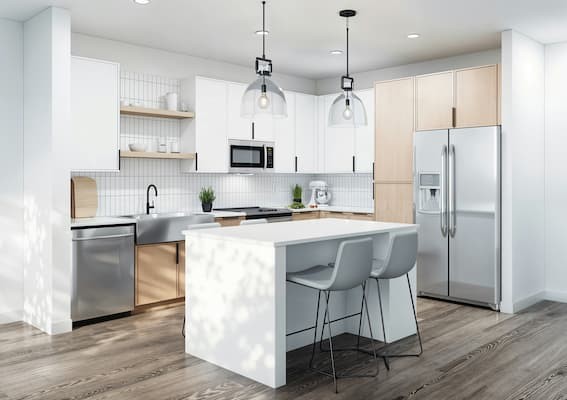
The kitchen requires the most manual labor. Do not rely on your oven’s “self-clean” cycle the night before your walkthrough as it rarely clears the grease out of the door seal glass panels.
- The Appliance Pull: If your unit allows, pull the refrigerator and stove out from the wall. You will find a layer of accumulated dust, dropped food particles, and hair. Vacuum this floor space completely.
- Oven Detailing: Remove the interior wire racks and scrub them down with a heavy-duty degreaser. Replace the stovetop burner drip pans completely if they are charred. Buying a $15 replacement set from a local hardware store saves you a $100 penalty fee from your landlord.
- Refrigerator Gaskets: Wipe down the rubber sealing tracks on the doors. Inspectors pull these back looking for black mold spots or spilled juice residue.
- Cabinet Tops: If your kitchen cabinets do not run all the way to the ceiling, climb up and wipe down the exposed tops. It gathers an invisible layer of sticky grease and dust that inspectors check with a simple white-glove swipe.
Bathroom Sanitation Hurdles
Wake County has moderately hard water, which leaves distinct, chalky white magnesium deposits over chrome bathroom hardware and glass shower enclosures.
- De-scaling the Fixtures: Use an acid-based cleaner or vinegar soak to dissolve the hard water scaling on faucet heads and showerheads. If water sprays sideways due to mineral blocks, you will be penalized.
- The Vanity Drawer Sweep: Hairpins, loose makeup dust, and dried toothpaste pools hide in the back corners of drawers. Remove the drawers completely to vacuum out the cavity underneath them.
- Ventilation Grills: Stand on a step stool and vacuum the bathroom ceiling exhaust fan. If the grill is clogged with gray dust lint, the inspector will mark it down instantly.
Living Area and Architectural Checkpoints
This is where standard “surface cleans” fail. Inspectors check the physical perimeters of the rooms.
- Window Track Vacuuming: Open every window in the property. Take your vacuum’s narrow crevice attachment and clear out the dead bugs and outdoor sediment stuck inside the sliding tracks.
- Light Switch Plates: Wipe down the tops of all doors, door frames, and individual light switch covers. Finger oils darken these plates over time, making walls look unwashed.
- The Baseboard Run: Use a damp microfiber cloth to clean every inch of trim. Pay extra attention to corners behind where furniture sat, as pet fur accumulates heavily in these dead zones.
Exterior and Structural Checkpoints
- Patios & Balconies: Sweep away leaves, pine needles, and spiderwebs from balcony corners or patio slabs.
- Trash Infrastructure: Ensure all personal garbage bags are completely removed from the property and dropped directly into the community compactor or municipal curbside bins.
The Tipping Point: When to Hire a Professional
If you are short on time, already out of state, or dealing with heavy pet odors, DIY cleaning might risk your deposit. It is wiser to hire a pro if your property manager requires a certified truck-mounted carpet steam receipt, or if your stove and oven grease require industrial-grade chemical stripping that you don’t have the gear to handle.
Interactive Walkthrough Checklist
Use our structured, interactive framework below to trace your steps before handing over the keys.
Raleigh Move-Out Cleaning Checklist
Security Deposit Grade — Wake County Inspection Standard
Final Assessment: Deposit Recovery Is a Preparation Problem
In a nutshell, genuinely dirty properties are not the major causes of security deposit cleaning deductions in Wake County. Deductions are the result of tenants overlooking the specific high-scrutiny zones that property managers are trained to inspect. Consistent line items on professional inspection reports that are not instinctive cleaning targets include oven drip pans, window tracks, exhaust fan grilles, and refrigerator door gaskets.
Working through this checklist room by room before your final walkthrough shifts the burden back onto the property manager to justify any deduction with documented evidence rather than a vague “cleaning fee” line on your deposit statement. Under North Carolina residential tenancy law, landlords are required to provide an itemized written account of any deductions within 30 days of lease termination. A clean property with photographic documentation on your end is your most effective defense against disputed charges.
If your lease-end timeline is compressed, you are managing the clean remotely, or the property has significant pet odor or carpet concerns requiring certified receipts, professional engagement is the pragmatic choice. Before requesting quotes, use our Raleigh House Cleaning Cost Matrix to establish what a legitimate move-out clean should cost for your specific home profile so you can evaluate any quote against a verified local benchmark rather than guessing.
Frequently Asked Questions
Do I need a professional cleaner to get my deposit back in Raleigh?
Not necessarily but that decision depends on your property’s condition, your available time, and whether your lease requires professional cleaning receipts for carpets or other surfaces. If your lease is silent on professional requirements and the property is in good general condition, a methodical DIY clean using a structured checklist is sufficient for most Wake County standard inspections.
How much can a landlord deduct for cleaning in North Carolina?
There is no fixed cap. North Carolina law allows landlords to deduct the actual, documented cost of restoring a property to its pre-tenancy condition, minus normal wear and tear. Typically, cleaning charges from Wake County property managers range from $150 to $400 for standard apartments, and $300 to $600+ for larger single-family homes with significant cleaning deficiencies. The deductions are itemized and must be provided in writing within 30 days of lease end.
What do Raleigh property managers look for during move-out inspections?
The highest-scrutiny areas in Wake County move-out inspections are oven interiors and drip pans, window tracks and blind slats, bathroom exhaust fan grilles, baseboard corners behind furniture, and the floors directly behind pulled-out appliances. These zones are checked precisely because they are most commonly overlooked by tenants doing surface-level cleans.
How long does a move-out clean take for a typical Raleigh apartment?
A DIY thorough move-out clean that covers all the inspection-grade areas outlined in this checklist will take tenants 4–8 hours for a standard 2-bedroom apartment. Larger single-family homes with 3–4 bedrooms typically require a two-person team over a single day which is a full 8–12 hour effort. Professional services complete the same scope in roughly half the time due to specialized equipment and team deployment.
What is “broom-clean condition” under a North Carolina lease?
Broom-clean condition is the baseline standard written into most North Carolina residential leases, requiring the property to be free of debris, personal belongings, and surface dirt. However, Wake County property managers routinely interpret this minimum as a baseline rather than a complete standard. This means that a property that is technically broom-clean can still incur deductions for oven grease, hard water scale, or dust accumulation in non-obvious areas that fall outside the literal definition but within the practical inspection scope.